Home » Iwami Ginzan Silver Mine and its Cultural Landscape » Ōmori
Ōmori 大森
Ōmori is one of the component parts of Iwami Ginzan Silver Mine and its Cultural Landscape, inscribed on the UNESCO World Heritage List in 2007.
| Part of | Iwami Ginzan Silver Mine and its Cultural Landscape (UNESCO, 2007) |
|---|---|
| Location | Ōda-shi, Shimane (島根県) |
| Type | jin'yamachi |
| Designation in Japan | Important Preservation District for a Group of Traditional Buildings |
About Ōmori
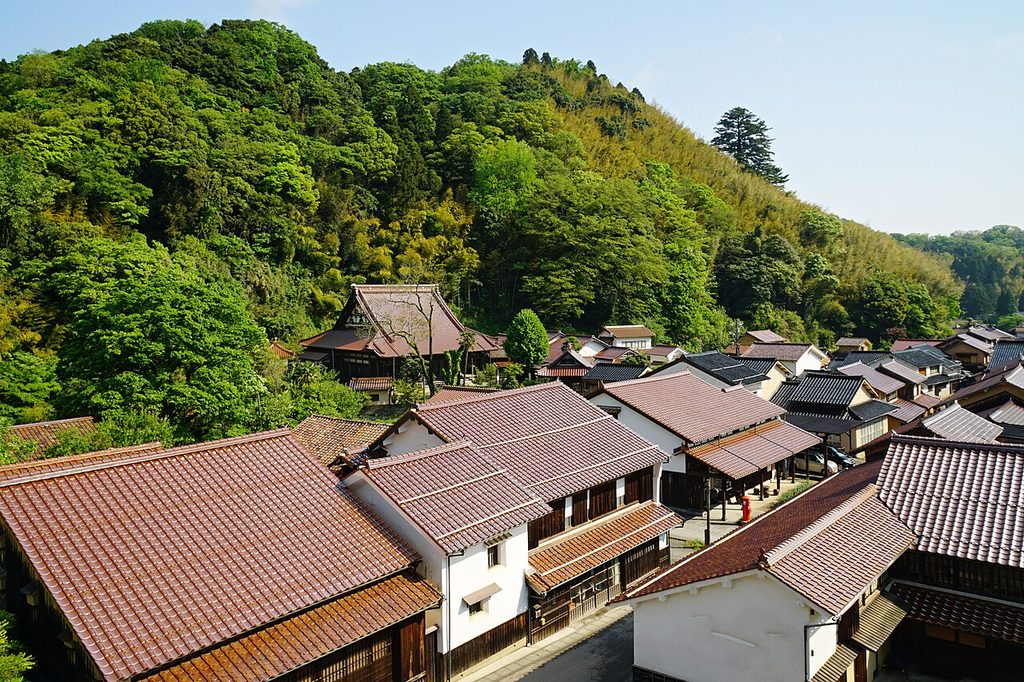
Ōmori (大森) is the historic town at the heart of the Iwami Ginzan silver mine, in present-day Ōda, Shimane. In the Edo period it was the administrative centre of the mine — the magistrate's office, officials' and merchants' houses, temples and shrines lined its main street — and the preserved streetscape is one of the component parts of the Iwami Ginzan Silver Mine World Heritage property, inscribed in 2007.
Key points
- Part of Iwami Ginzan Silver Mine and its Cultural Landscape, inscribed on the UNESCO World Heritage List in 2007.
- The former mining town: a preserved main street of Edo-period houses, including the Kumagai family house.
- Ōmori is the usual base for visiting the mine workings, with the World Heritage Center nearby.
Other parts of Iwami Ginzan Silver Mine and its Cultural Landscape
Iwami Ginzan Silver Mine and its Cultural Landscape is made up of 8 component parts in total. See the full list on the site page, or jump to another part:
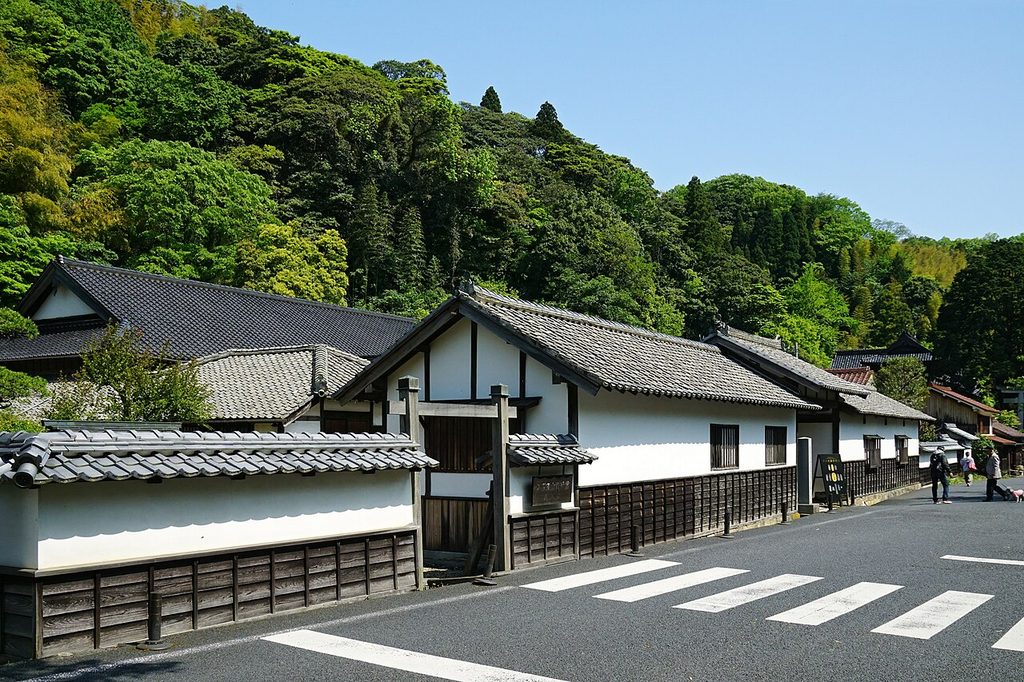 Iwami Silver Mine Museum 石見銀山資料館
Museum in Ōda, Shimane, Japan. (Shimane)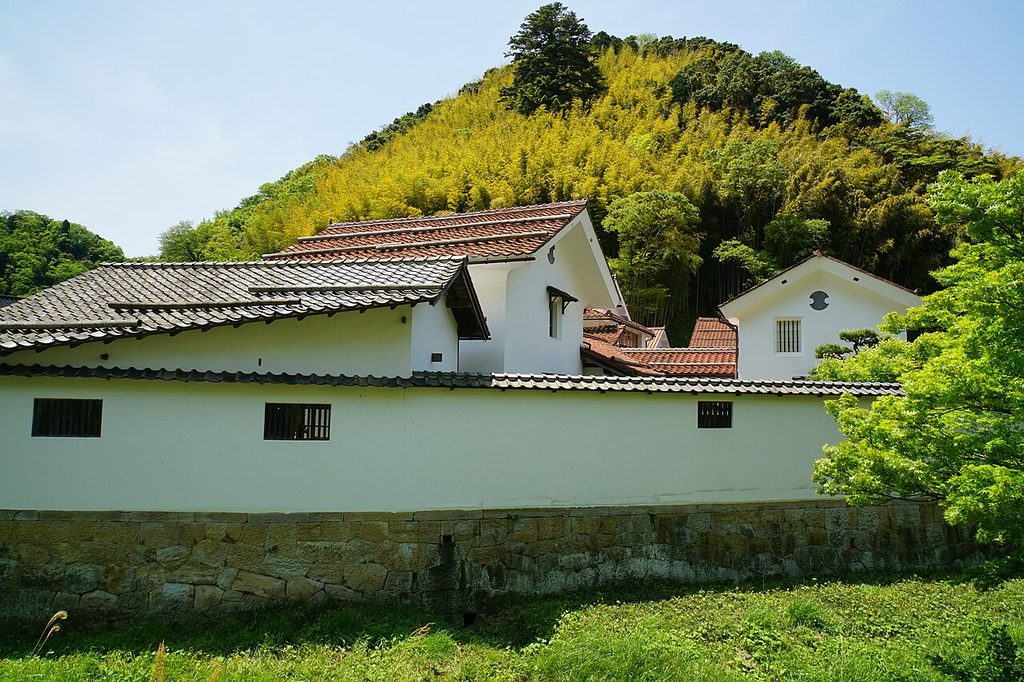 House of the Kumagai Family 熊谷家住宅 (Shimane)
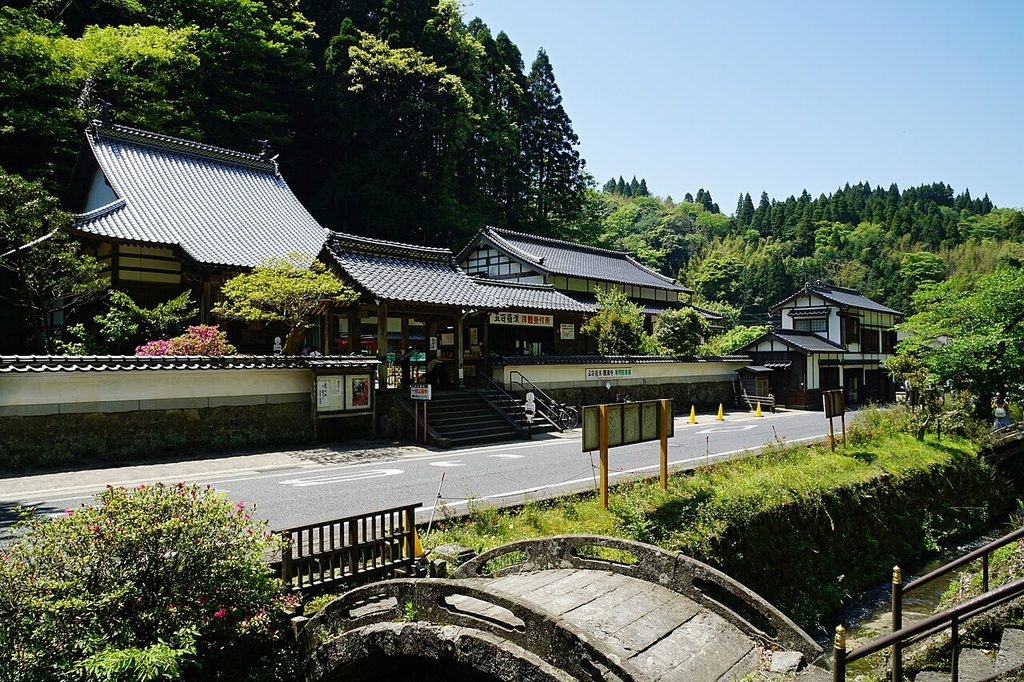 Rakan-ji Temple 羅漢寺
Buddhist temple in Ōda, Japan. (Shimane)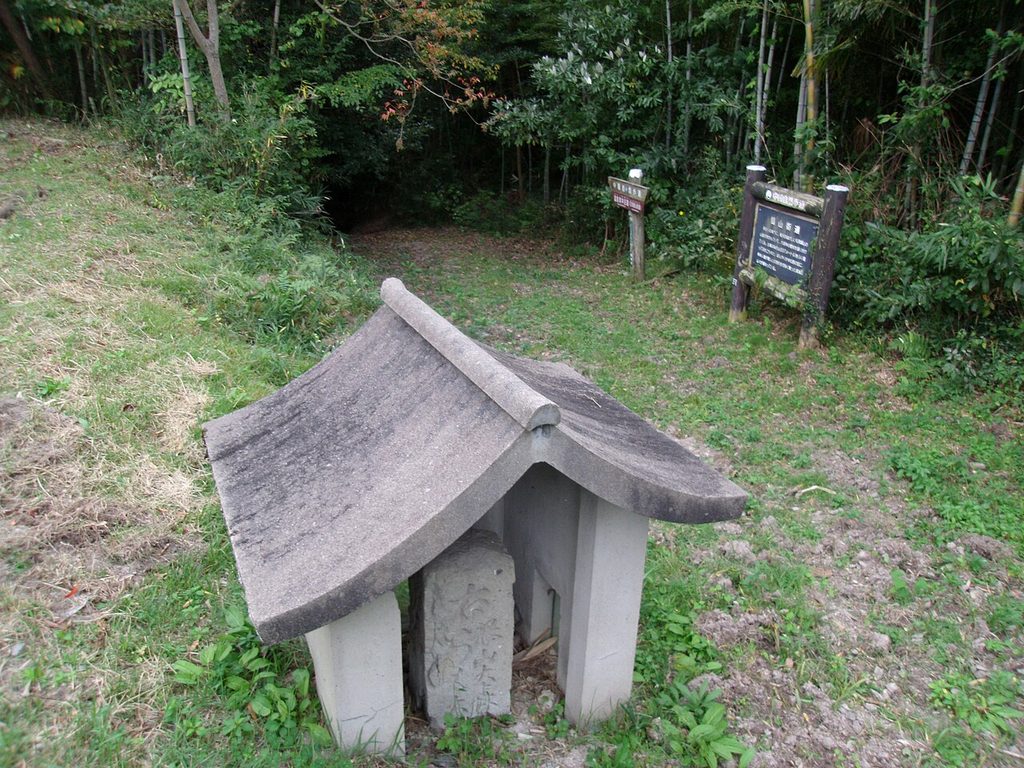 Iwami Ginzan Kaidō 石見銀山街道
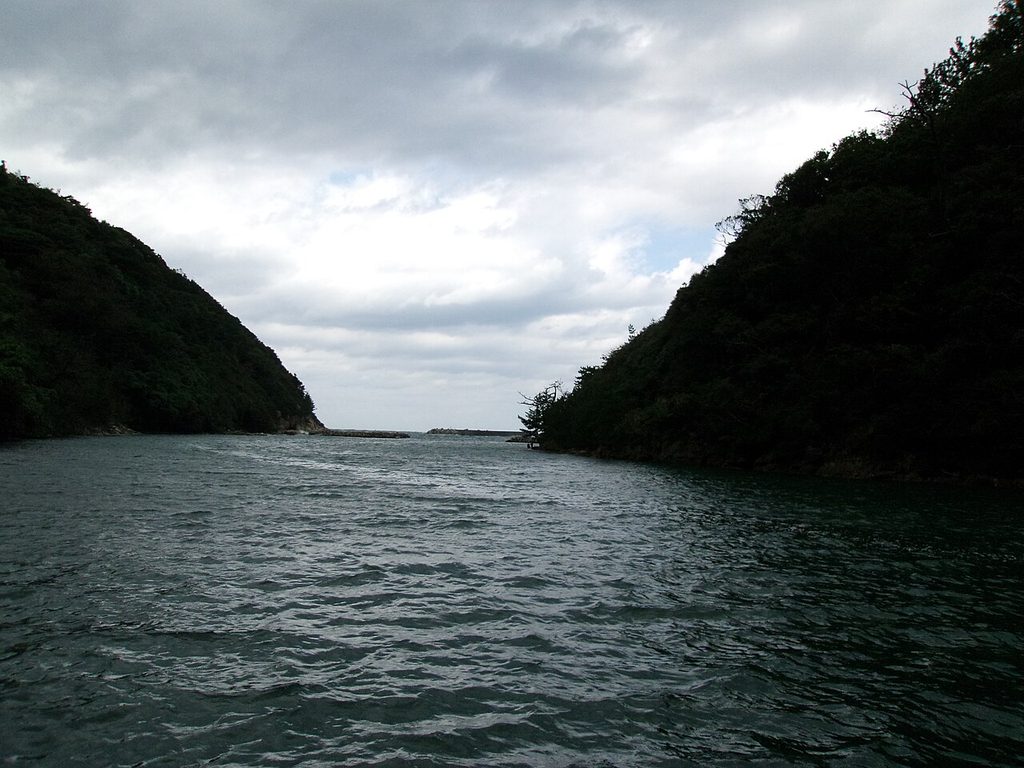
Street in Japan. (Shimane)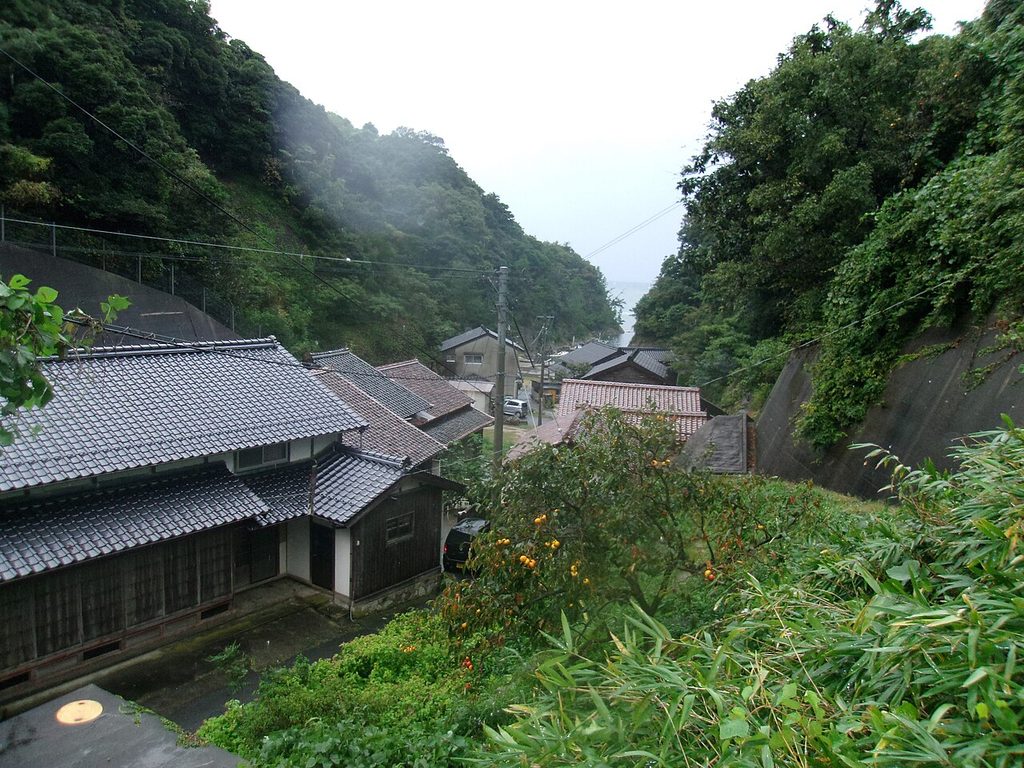 Tomogaura 鞆ヶ浦 (Shimane)
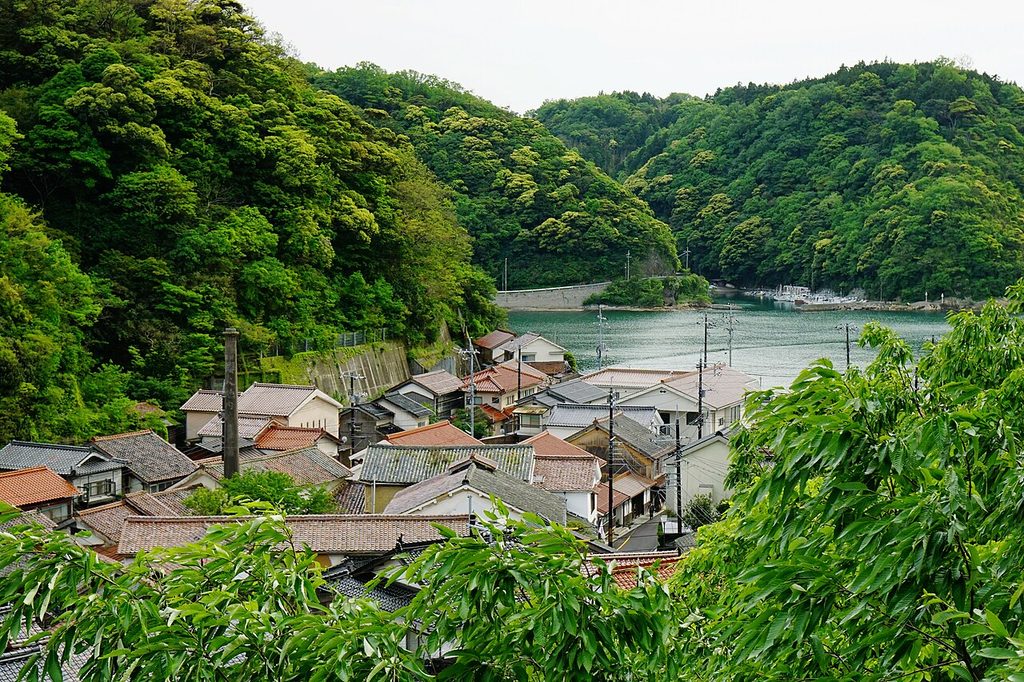
 Okidomari 沖泊 (Shimane)
 Yunotsu Onsen 温泉津温泉
Building in Shimane Prefecture, Japan. (Shimane)
Basic data from Wikidata (CC0). Details may change; official local sources are authoritative.