Home » Ancient Capitals of Asuka and Fujiwara » Kengoshizuka Mounded Tomb
Kengoshizuka Mounded Tomb 牽牛子塚古墳
Kengoshizuka Mounded Tomb is one of the component parts of Ancient Capitals of Asuka and Fujiwara, inscribed on the UNESCO World Heritage List in 2026. Late 7th-century octagonal imperial tomb.
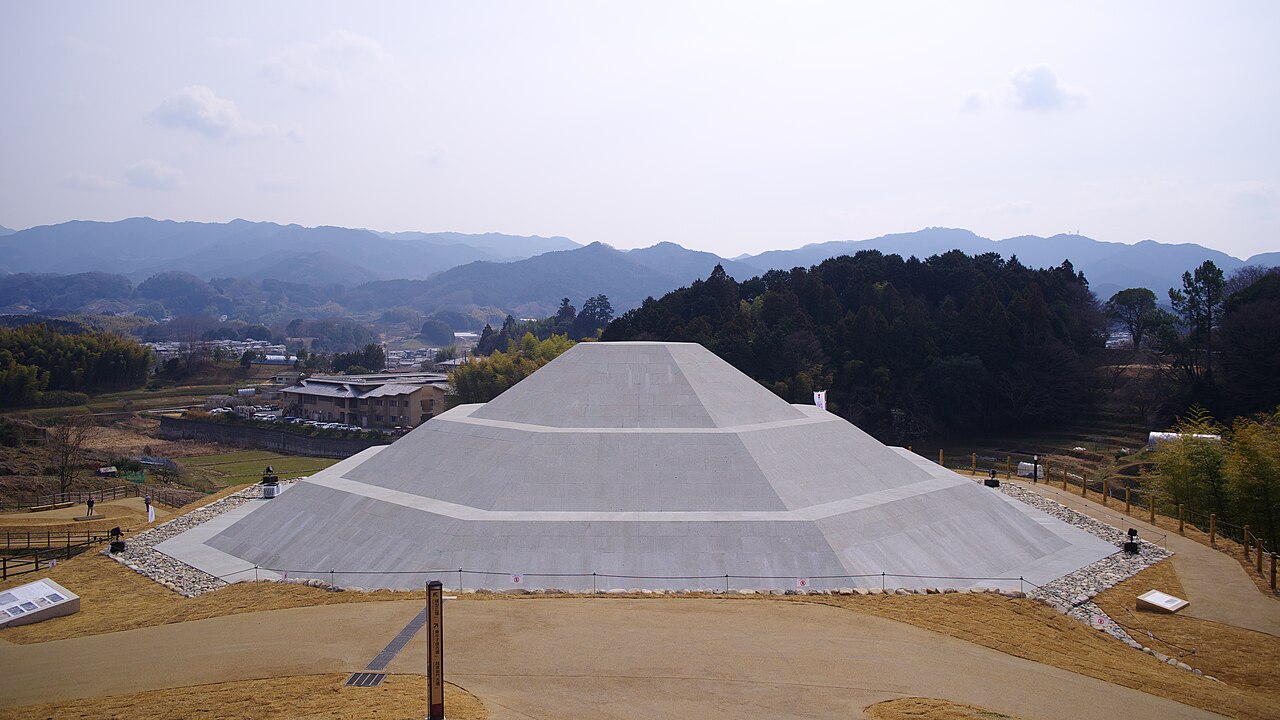
| Part of | Ancient Capitals of Asuka and Fujiwara (UNESCO, 2026) |
|---|---|
| Location | Asuka, Nara (奈良県) |
| Type | archaeological site |
| Designation in Japan | Historic Site |
| Coordinates | 34.46631, 135.79230 · Open in Google Maps |
About Kengoshizuka Mounded Tomb
Kengoshizuka (牽牛子塚古墳), south-west of the Asuka basin, is a late 7th-century octagonal burial mound. The octagonal plan — drawn from Chinese cosmology yet found only in Japan — was reserved for the imperial house, and its appearance marks the moment when the emperor's tomb became the summit of a new, centralised order.
Key points
- Component part 12 of the Ancient Capitals of Asuka and Fujiwara (UNESCO, 2026).
- Designation in Japan: Historic Site (7 March 1923).
Other parts of Ancient Capitals of Asuka and Fujiwara
Ancient Capitals of Asuka and Fujiwara is made up of 19 component parts in total. See the full list on the site page, or jump to another part:
 Yamato Sanzan 大和三山
Mountain in Nara Prefecture, Japan. (Nara)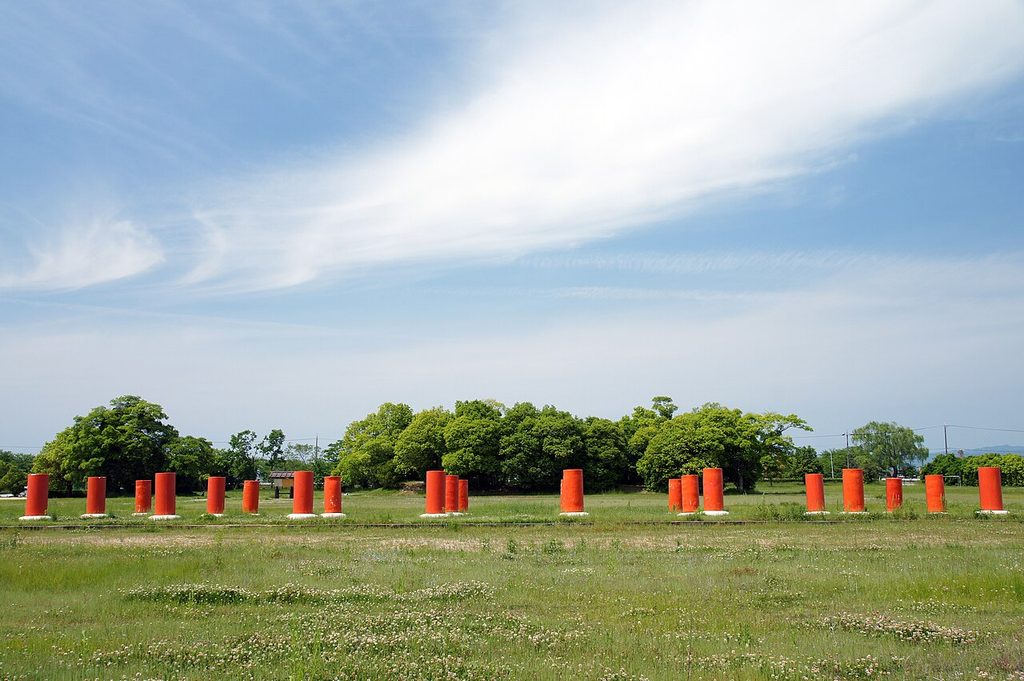 Fujiwara Palace 藤原宮 (Nara)
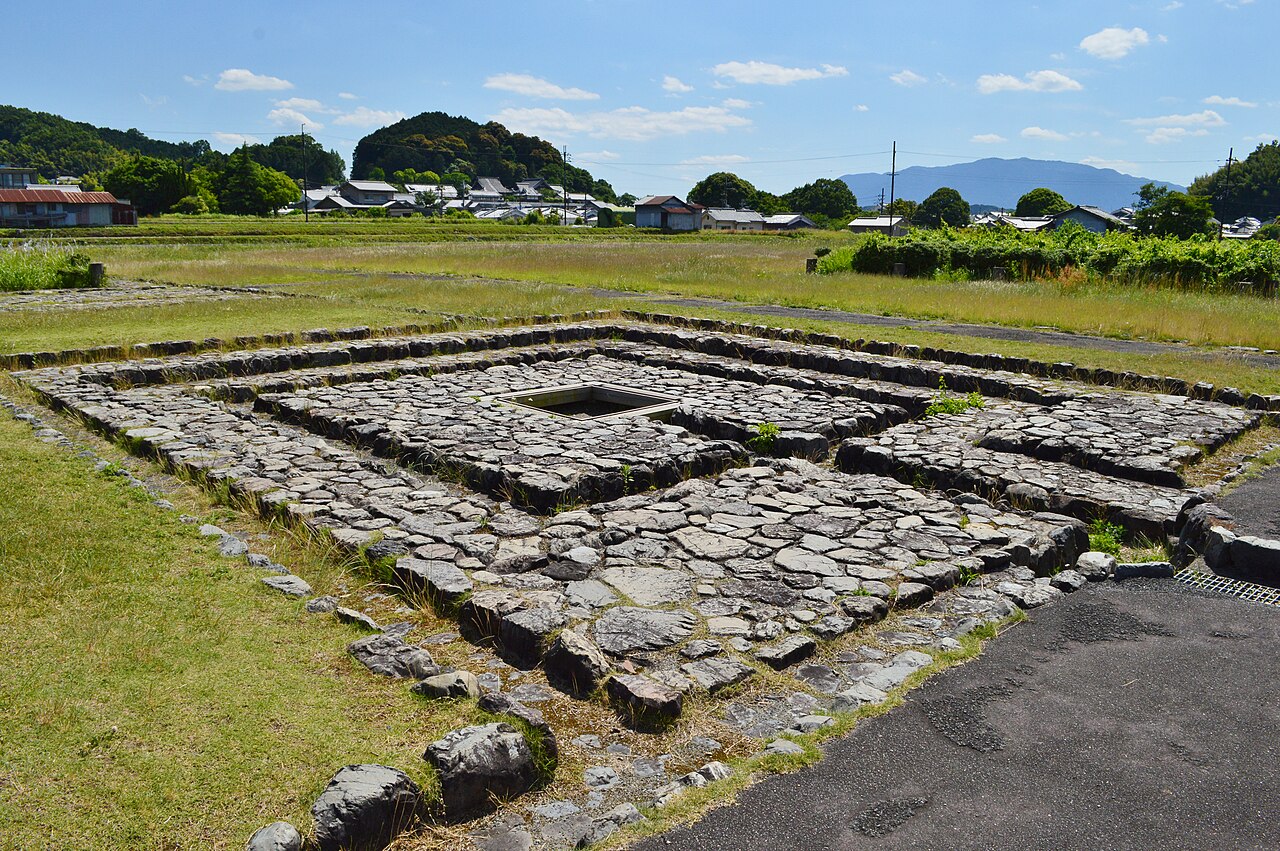 Asuka Palace Site 飛鳥宮跡
Site of the successive 7th-century imperial palaces of Asuka. (Nara)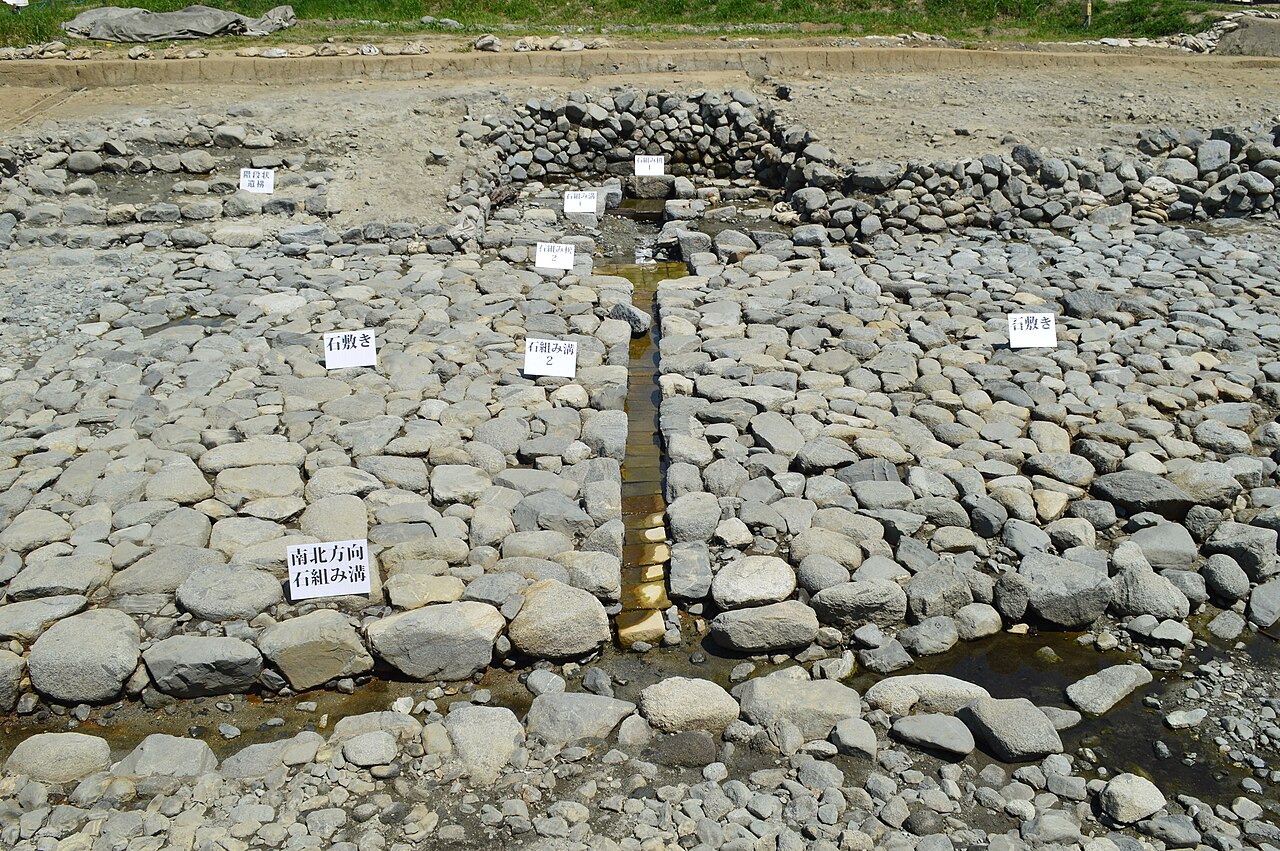 Asuka Pond Garden Site 飛鳥京苑池遺跡
Garden pond site attached to the Asuka Palace. (Nara)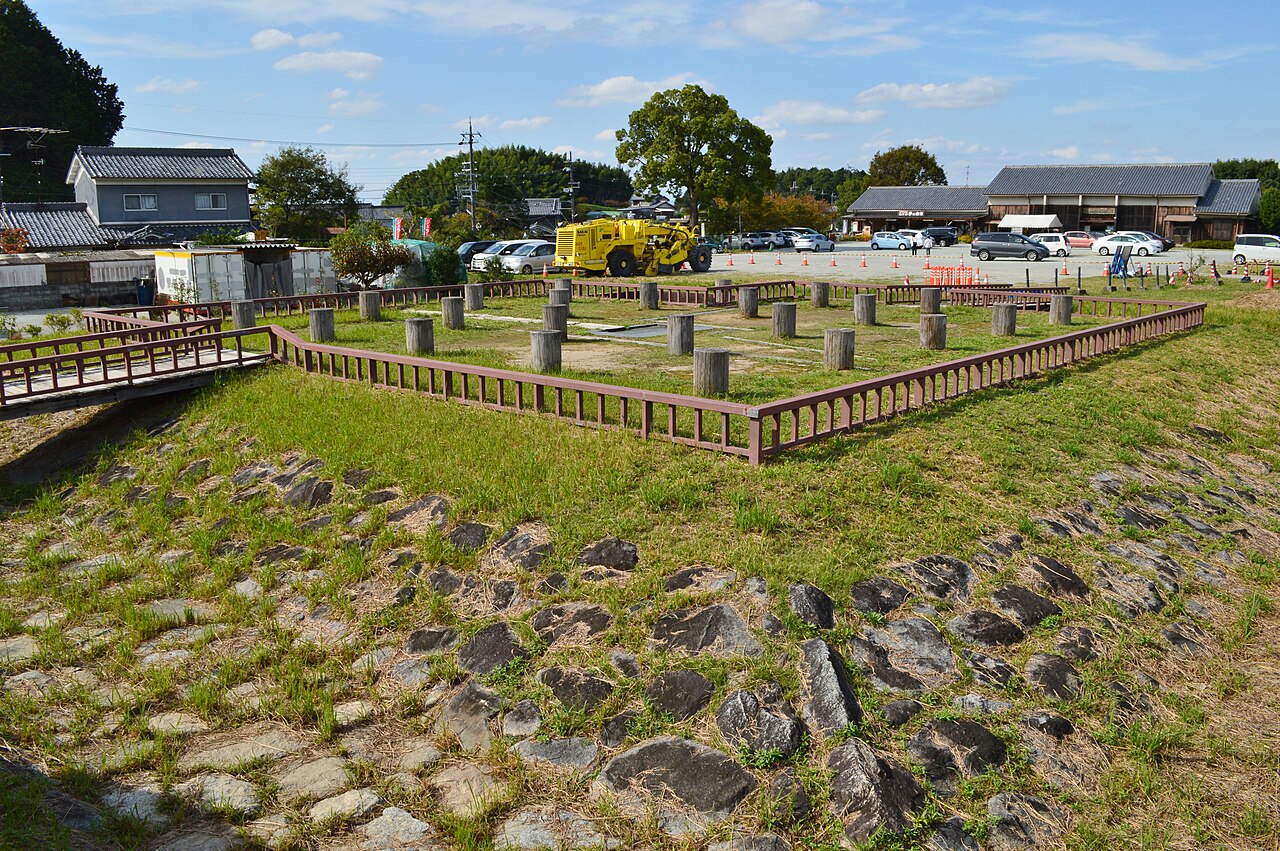 Asuka Water Clock Site 飛鳥水落遺跡
Site of Japan's oldest known water clock tower, built in 660. (Nara)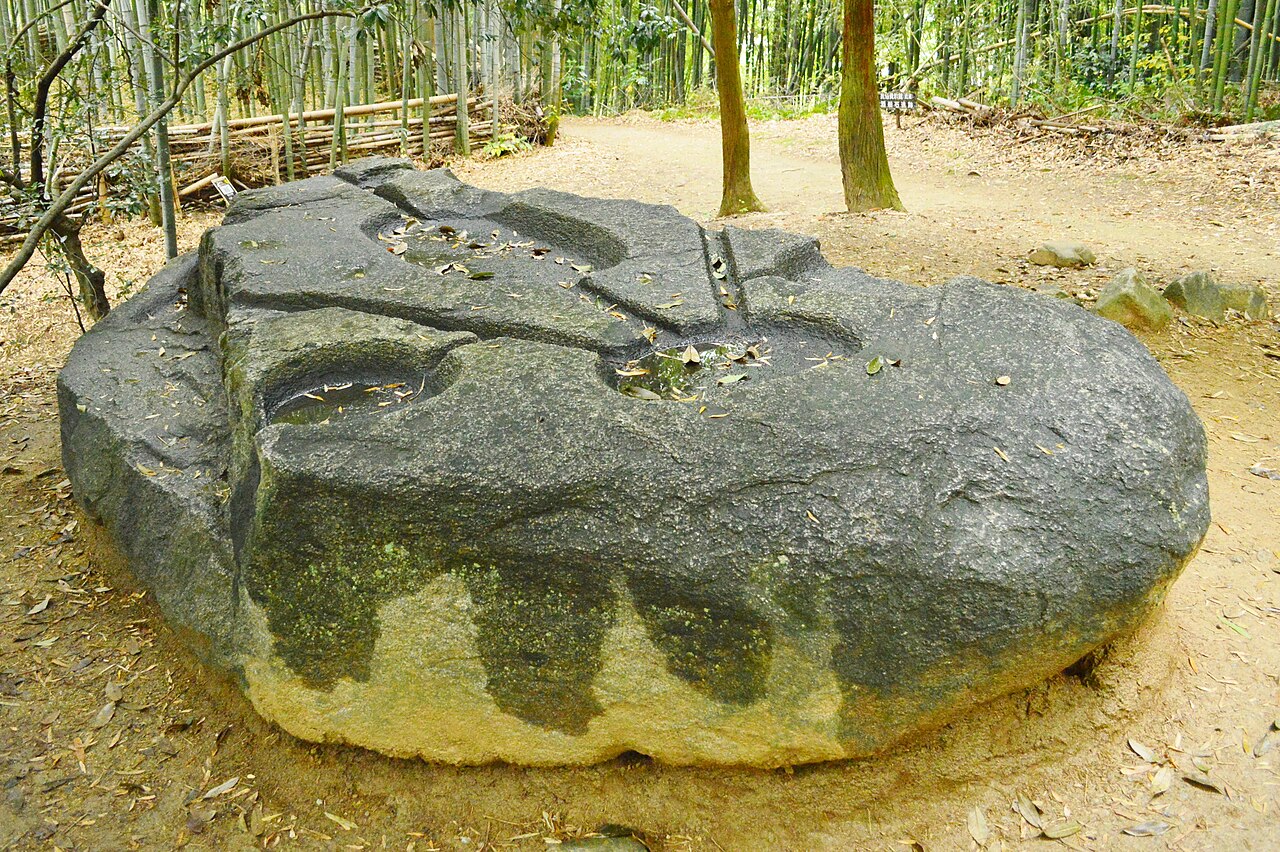 Sakafuneishi Ritual Site 酒船石遺跡
Mid-7th-century state ritual site with the Sakafuneishi stone. (Nara)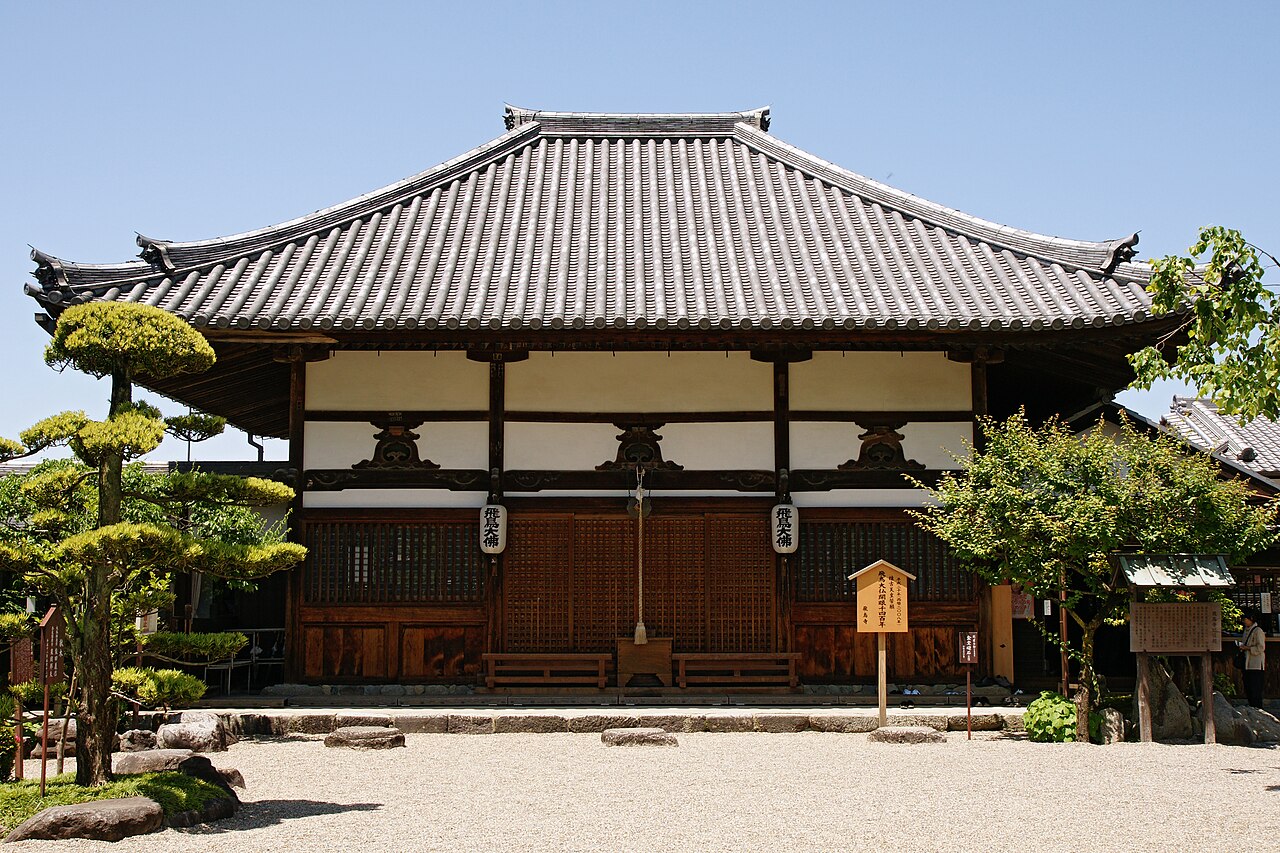 Asuka-dera Temple Site 飛鳥寺跡
Site of Japan's first full-scale Buddhist temple, completed in 596. (Nara) Tachibana-dera Temple Site 橘寺跡
Early 7th-century nunnery site in the Baekje style. (Nara)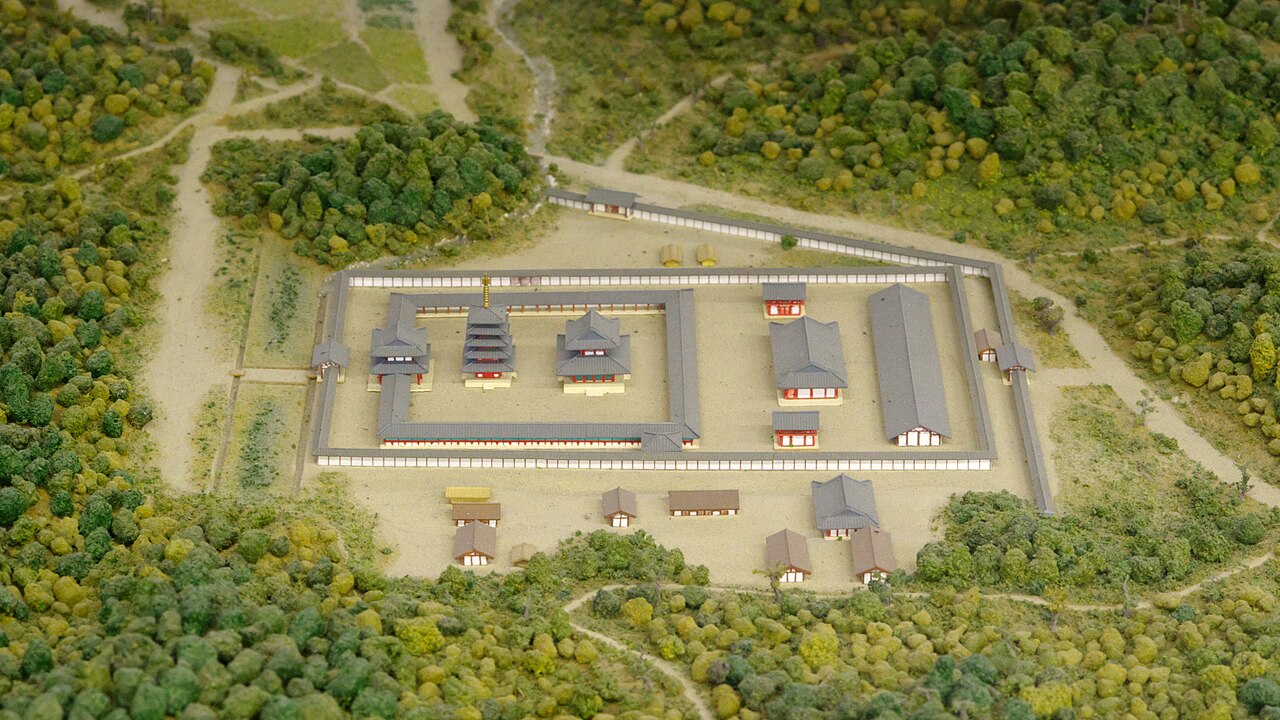 Yamada-dera Temple Site 山田寺跡
Mid-7th-century clan temple site in Sakurai. (Nara) Kawara-dera Temple Site 川原寺跡
Mid-7th-century state temple founded by Emperor Tenji. (Nara) Hinokuma-dera Temple Site 檜隈寺跡
Clan temple site of the Eastern Han clan in the Hinokuma basin. (Nara)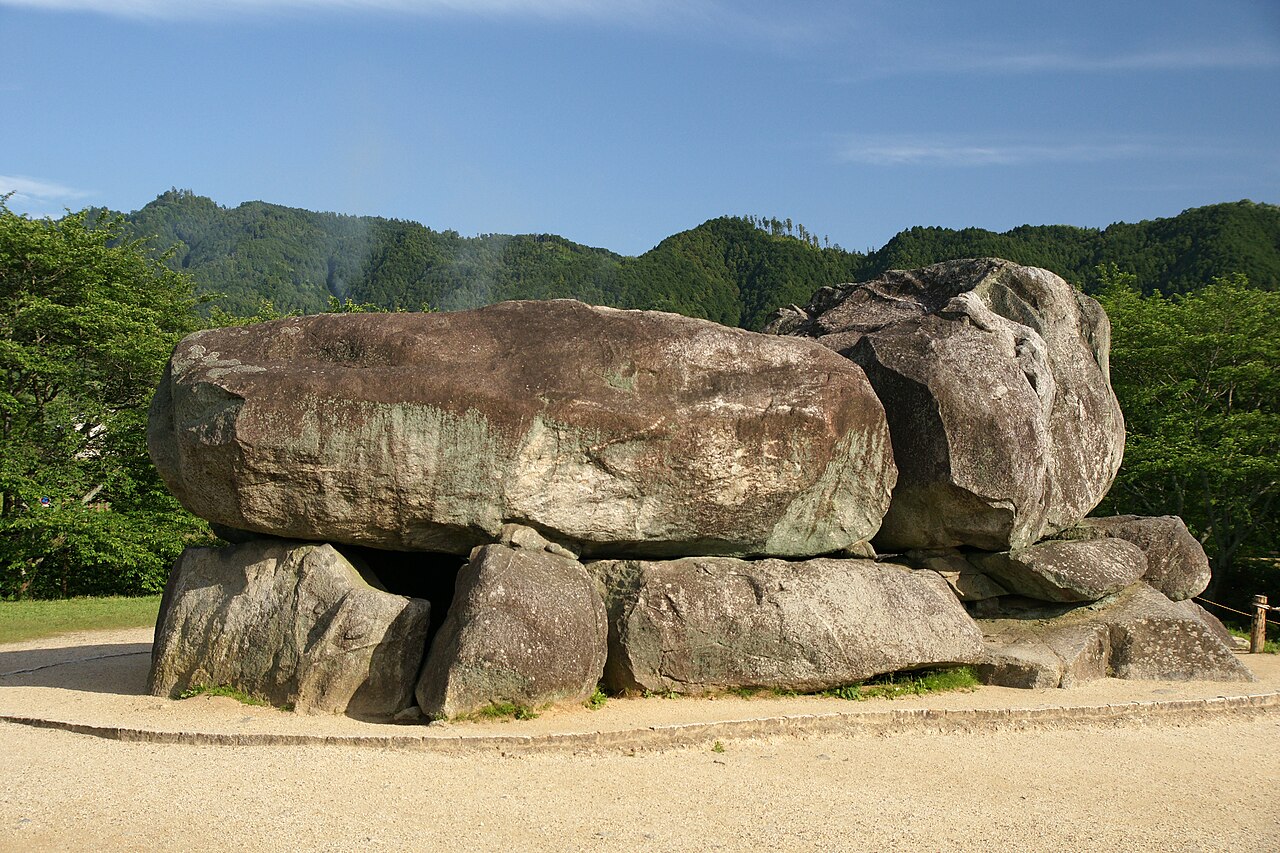 Ishibutai Mounded Tomb 石舞台古墳
Megalithic stone-chamber tomb, traditionally linked to Soga no Umako. (Nara) Shobuike Mounded Tomb 菖蒲池古墳
Mid-7th-century square mound tomb on Amagashi Hill. (Nara)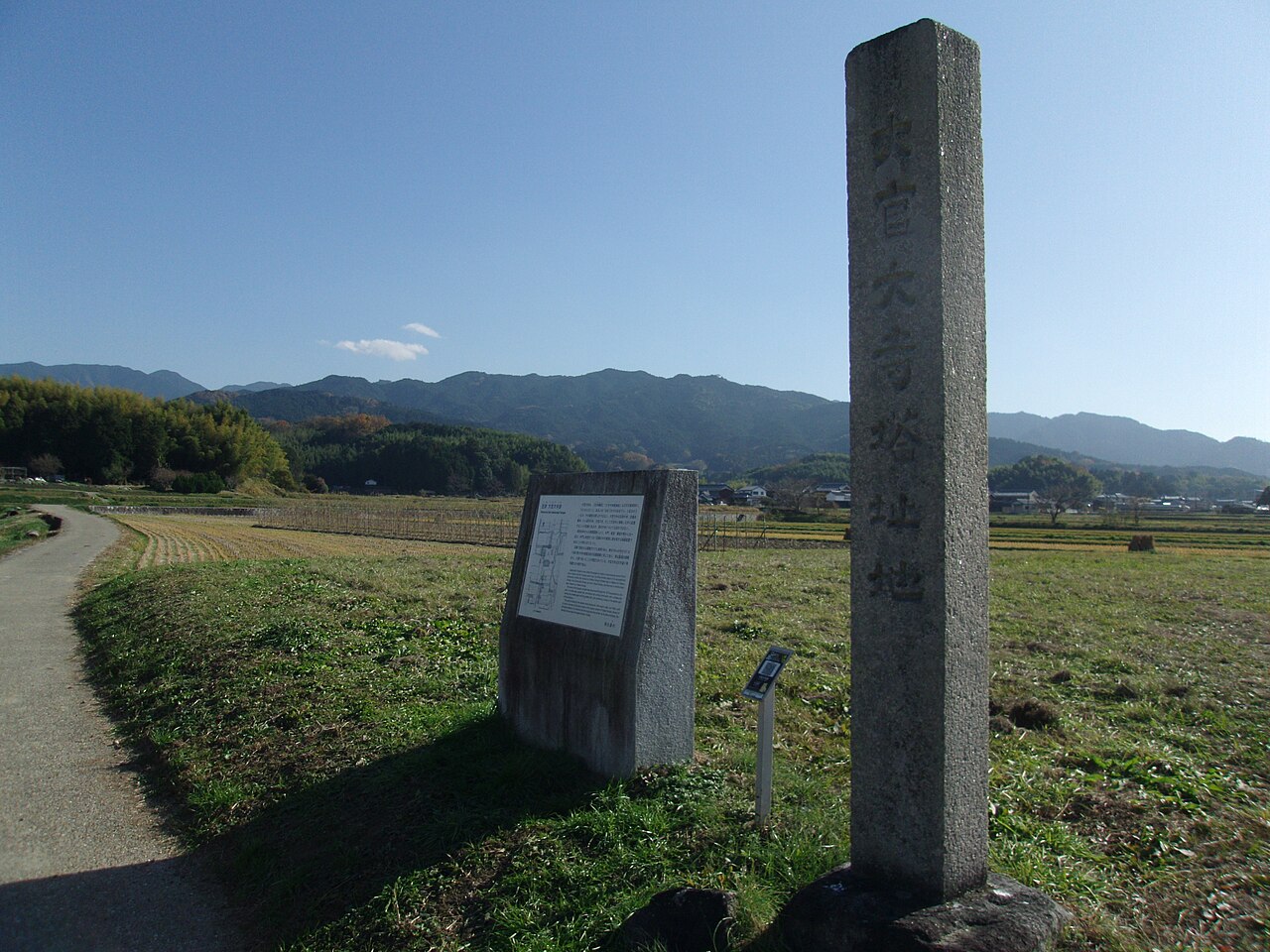 Daikandaiji Temple Site 大官大寺跡
Site of the largest state temple of the Fujiwara capital. (Nara)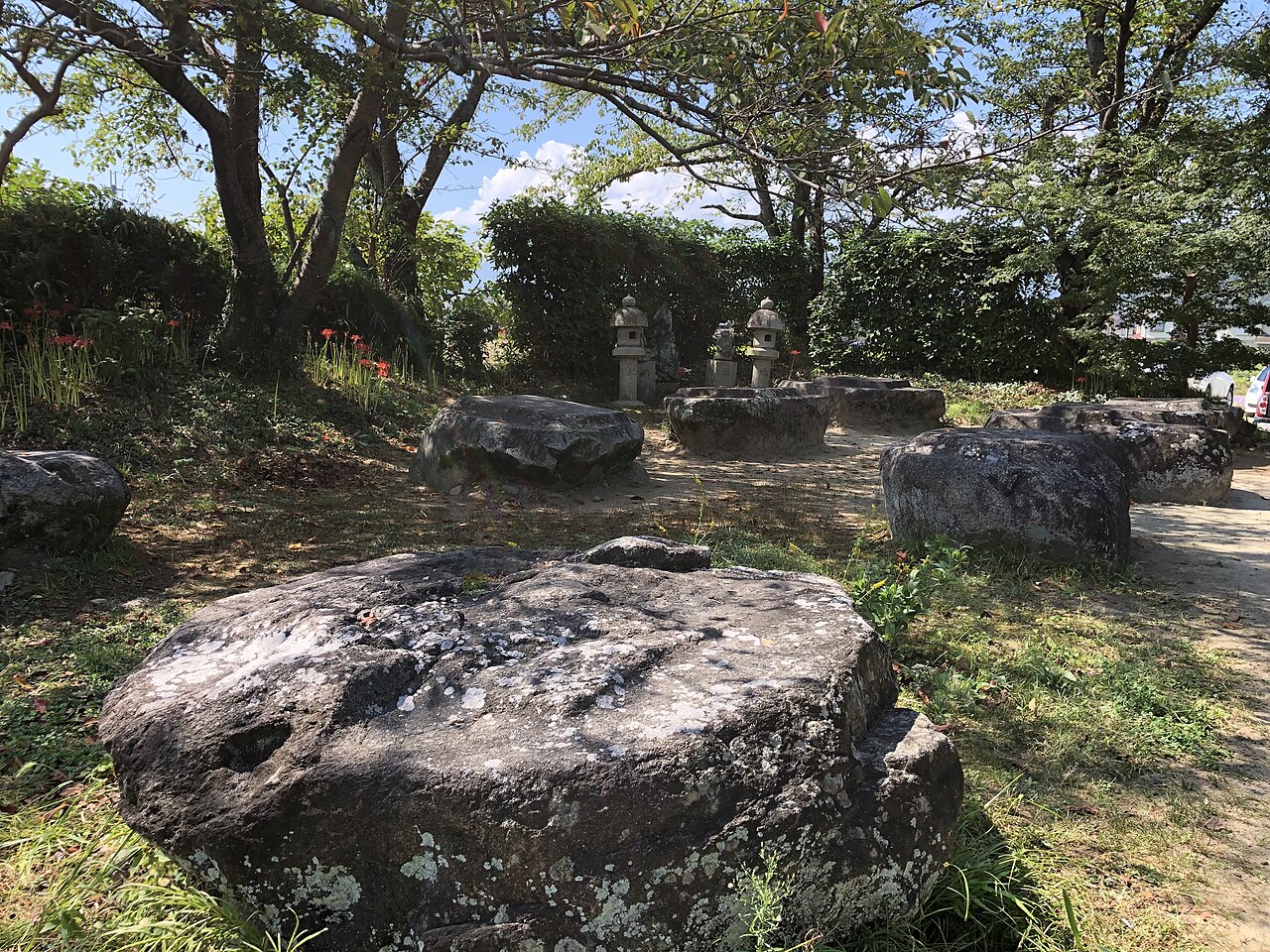 Motoyakushiji Temple Site 本薬師寺跡
State temple site with twin pagoda platforms, Kashihara. (Nara)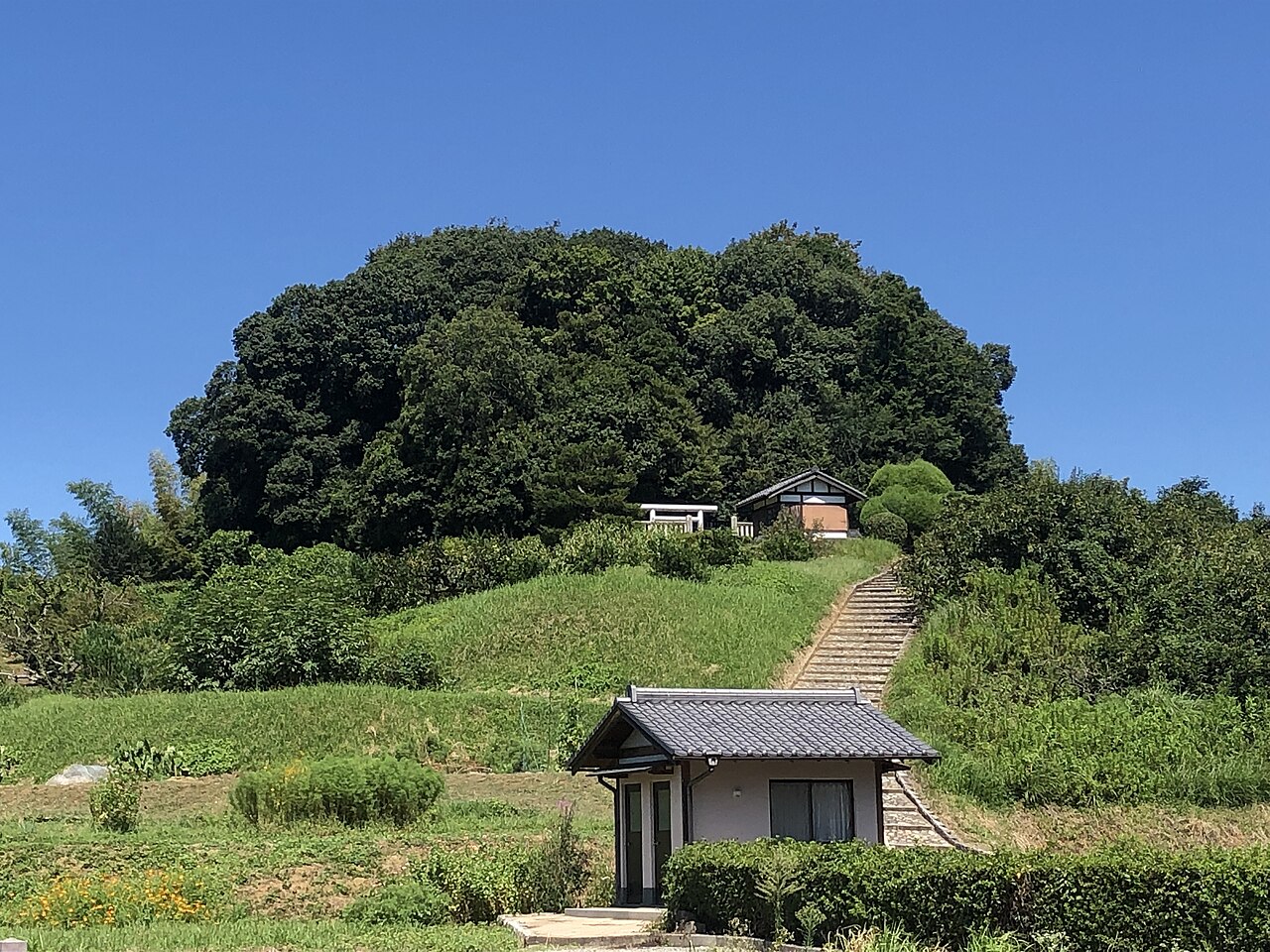 Mounded Tomb of Emperor Temmu and Empress Jito 天武・持統天皇陵古墳 Not open to visitors
Joint imperial mausoleum of Emperor Temmu and Empress Jito. (Nara)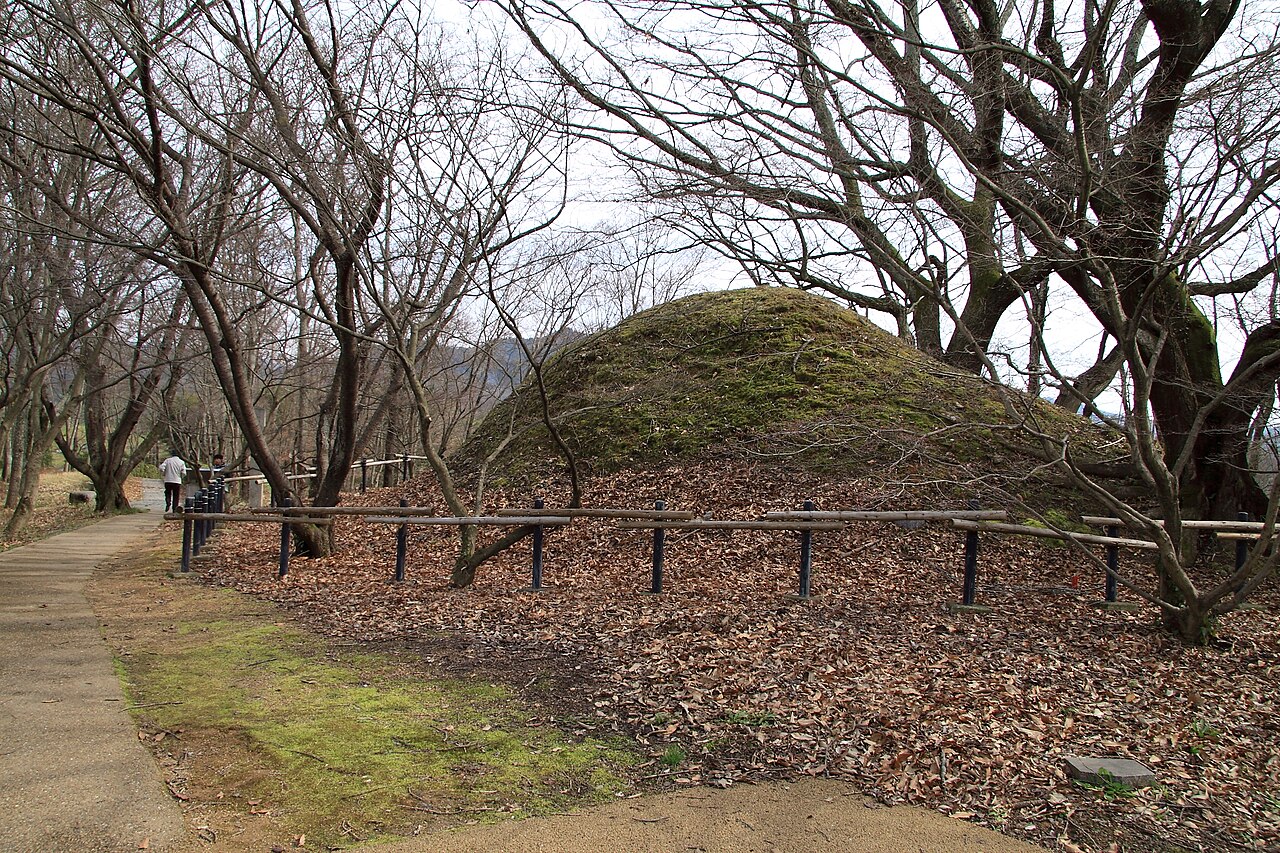 Nakaoyama Mounded Tomb 中尾山古墳
Octagonal cremation mound tomb in Hirata, Asuka. (Nara)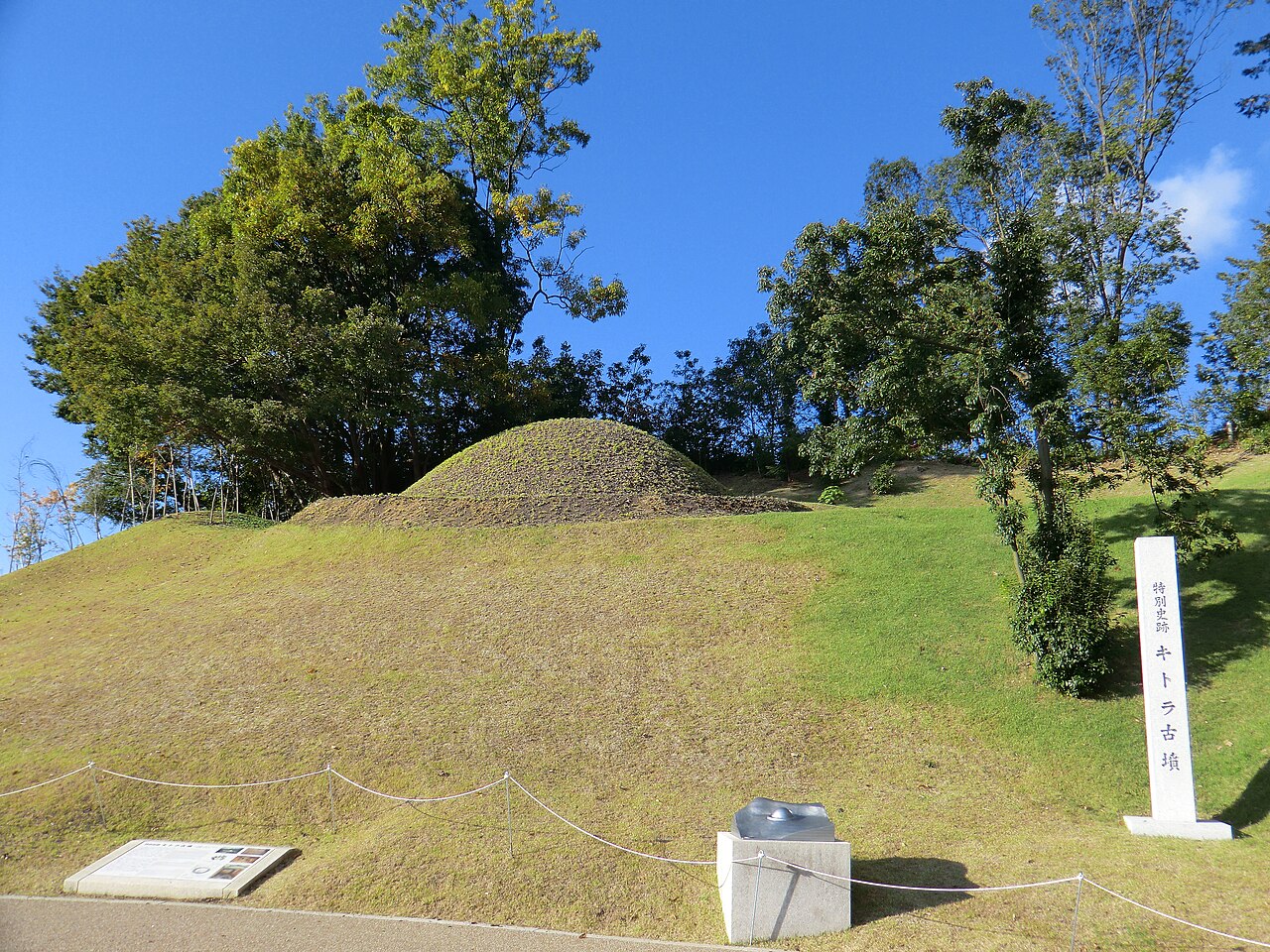 Kitora Mounded Tomb キトラ古墳 Access limited
Mural tomb with the oldest astronomical chart in East Asia. (Nara)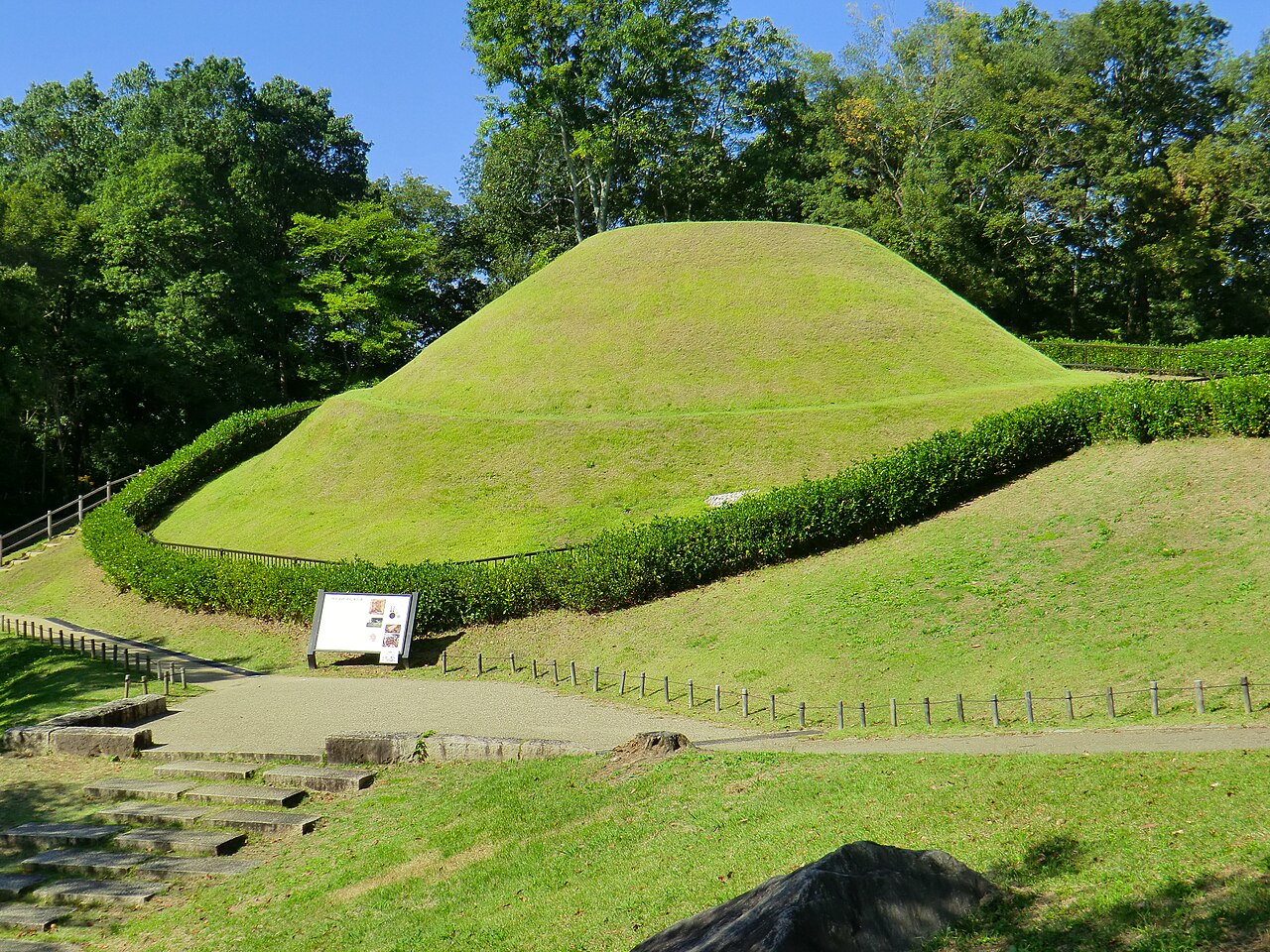 Takamatsuzuka Mounded Tomb 高松塚古墳 Access limited
Mural tomb famous for its painted court figures. (Nara)
Basic data from Wikidata (CC0). Details may change; official local sources are authoritative.